Solar Activity Flares Up In 2024
12:07 minutes
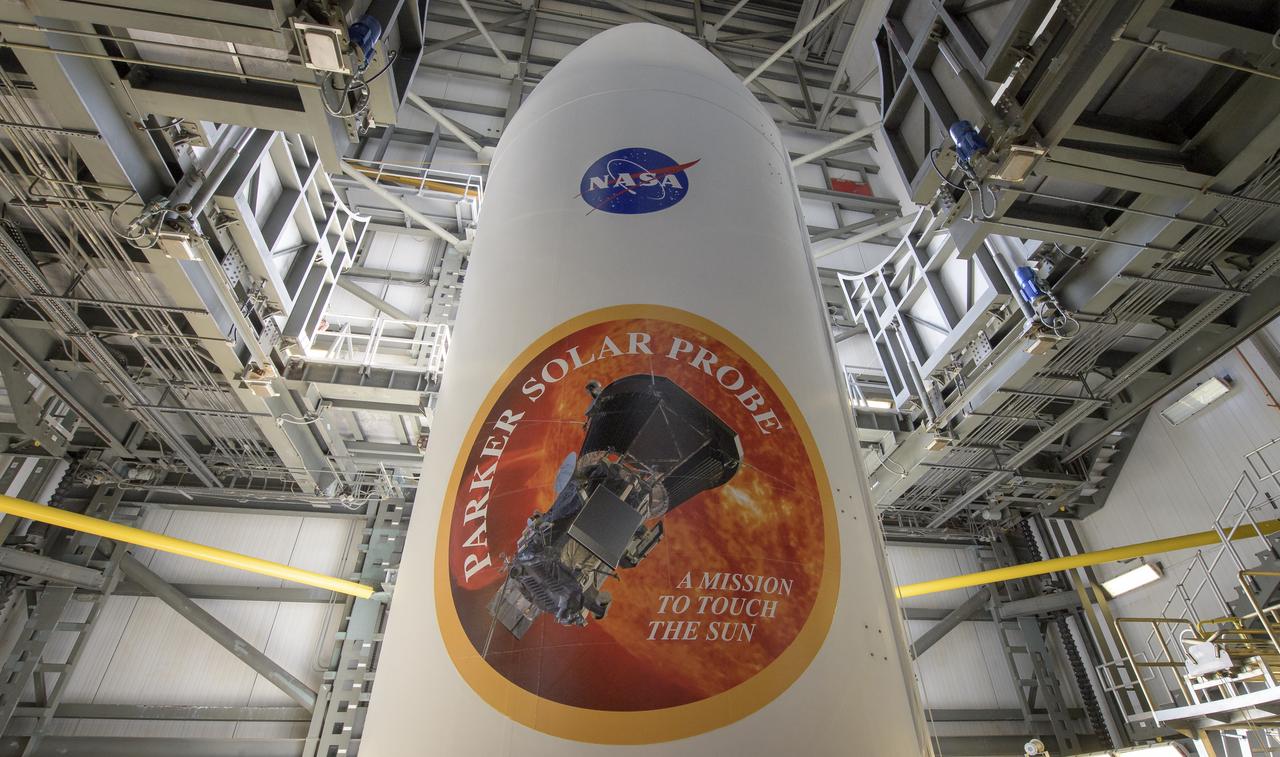
Look out 2024—this is going to be the sun’s year (for science, at least). There will be a total solar eclipse on April 8, and scientists are seeking volunteers to help them observe the event. Researchers also expect an uptick in solar activity—that means more sunspots and solar flares, which could increase the amount of auroras the Earth experiences and also might disrupt satellites and power systems on the ground. Plus, NASA’s Parker Solar probe is on track to make its closest pass to the sun yet in December, a mere 3.8 million miles from its surface.
Umair Irfan, staff writer with Vox, sits down with Ira to talk about these and other science stories from this week, including why greenhouse gas emissions might actually start to fall this year, research showing that apes are able to recognize each other after decades apart, and the discovery of an enzyme that makes your pee yellow.
Invest in quality science journalism by making a donation to Science Friday.
Umair Irfan is a staff writer for Vox, based in Washington, DC.
D. Peterschmidt is a producer, host of the podcast Universe of Art, and composes music for Science Friday’s podcasts. Their D&D character is a clumsy bard named Chip Chap Chopman.
Ira Flatow is the host and executive producer of Science Friday. His green thumb has revived many an office plant at death’s door.