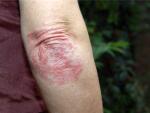
Doctors are unsure of the cause of MD. There are several possibilities, including bacterial infection. Others consider the possibility that MD symptoms are delusions related to a psychiatric condition.
To diagnose your symptoms, your doctor may order a skin biopsy. Treatment may involve medications.
This article will discuss what MD is, including symptoms, causes, diagnoses, and treatment. The article will also answer some frequently asked questions about MD.
What is Morgellons?
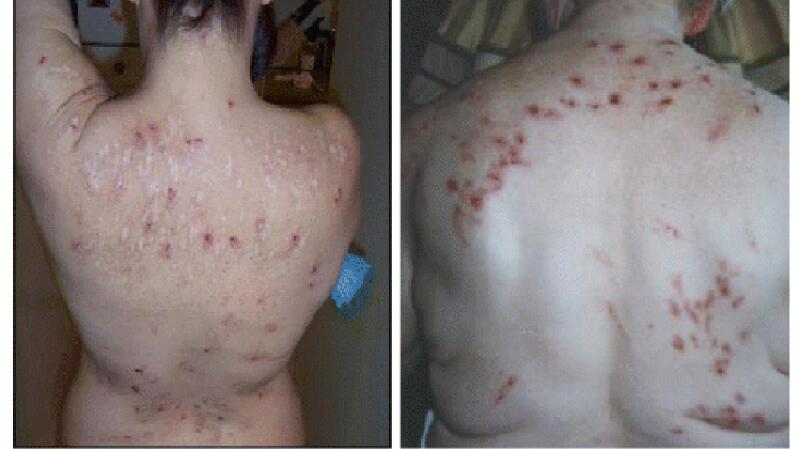
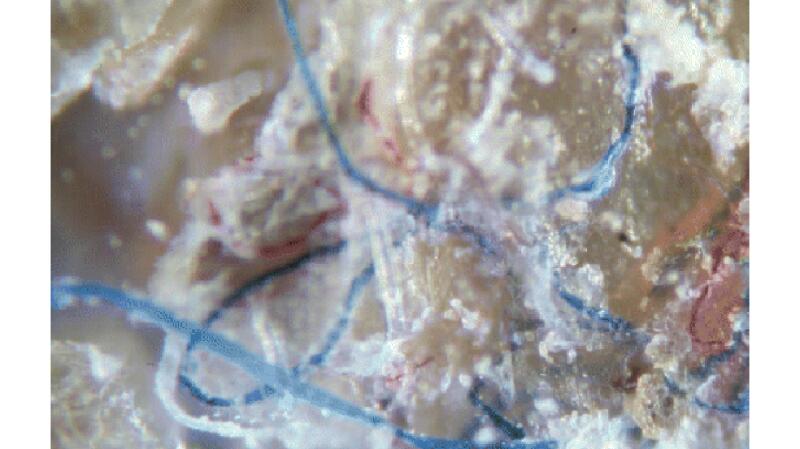
MD is a skin condition in which fibers appear to be underneath or coming out of the skin. People also describe that their skin is itchy, sore, or has a stinging or burning sensation.
History of Morgellons
A
The same review shared there were about 14,000 self-reported cases of MD worldwide in 2009.
The Centers for Disease Control and Prevention sponsored a 2012 study that found a prevalence of
MD is a controversial disease, and studies show that both psychiatric and bacterial infections may be the cause. This leads doctors to offer both psychiatric drugs and antibiotics as a treatment.
What are symptoms of Morgellons?
The
Another reported symptom is the sensation of something crawling on your skin or a stinging or biting feeling.
Other symptoms include:
- intense itching
- slow healing wounds
- black specks on or in the skin
- tiredness
- visual and hearing changes
- brain fog
- hair loss
- muscle aches
- difficulty sleeping
- anxiety
- depression
What does Morgellons look like?
What causes Morgellons?
The cause of MD is unknown, and more research may be able to help experts find more definitive evidence. One theory is that Morgellons symptoms develop as a result of bacterial infection.
Bacterial infection
Some studies suggest that the bacterium Borrelia burgdorferi, which causes Lyme disease, is related to the development of MD.
In a 2018 study, researchers evaluated 1,000 people with Lyme disease. Of this group, 60 of them also had a diagnosis of MD.
In a
Psychiatric conditions
A 2018 research letter described a small study involving 24 people with MD between 2006 and 2016. Participants in the study received antipsychotic drugs. Researchers found that
The classification and diagnosis of MD remains controversial. Experts need to perform more research.
How do doctors diagnose Morgellons?
It may be difficult for your doctor to diagnose you with MD, since there is ongoing debate about how to classify the condition.
Your doctor may order a blood test or a skin biopsy if you have itchy skin or wounds that do not heal. This can help determine if you have a bacterial infection. If fibers are present in your skin, your doctor may take a sample for further testing.
If your physician thinks there may be a psychological component to your symptoms, they may refer you to a psychologist or another mental health professional for further evaluation.
You may receive a Morgellons diagnosis after your doctor rules out other possible causes of your symptoms.
What are treatments for Morgellons?
There is currently no standard treatment for MD. Your doctor will evaluate your individual symptoms to determine appropriate treatment.
Treatment may focus on symptoms and underlying conditions. These treatments can include:
- antibiotics, to treat bacterial infection
- topical skin treatments, to help heal lesions
- antidepressants, to treat symptoms of depression and anxiety
- antipsychotic drugs, to treat symptoms of delusion or hallucination
- thyroid medication, to treat thyroid disorders
Other frequently asked questions
These are some other questions people often ask about Morgellons. Megan Soliman, M.D., reviewed the answers.
What are Morgellons fibers made of?
Further research may provide clearer information on what makes the fibers and what causes them. However,
Is Morgellons a mental illness?
Doctors are unsure of the cause of MD. A
What are the stages of Morgellons?
There are
- Stage A: mild, with a small amount of inflammation and skin cells that are reasonably common in appearance
- Stage B: moderate, with some noticeable inflammation and skin that may be sore and appear thicker in places
- Stage C: severe, with visible ulcers and inflammation and possible bleeding from wounds
Summary
MD is a skin condition that presents as wounds with fibers either underneath or coming through the skin. Other symptoms include the feeling of the skin burning, itching, being sore, or the sensation of stinging or bites.
Doctors have various opinions on what causes MD. Studies show that both psychiatric conditions and physical infections may be the cause. As a result, doctors may prescribe antibiotics or psychiatric medications as treatment.